SCHREINER'S GARDENS
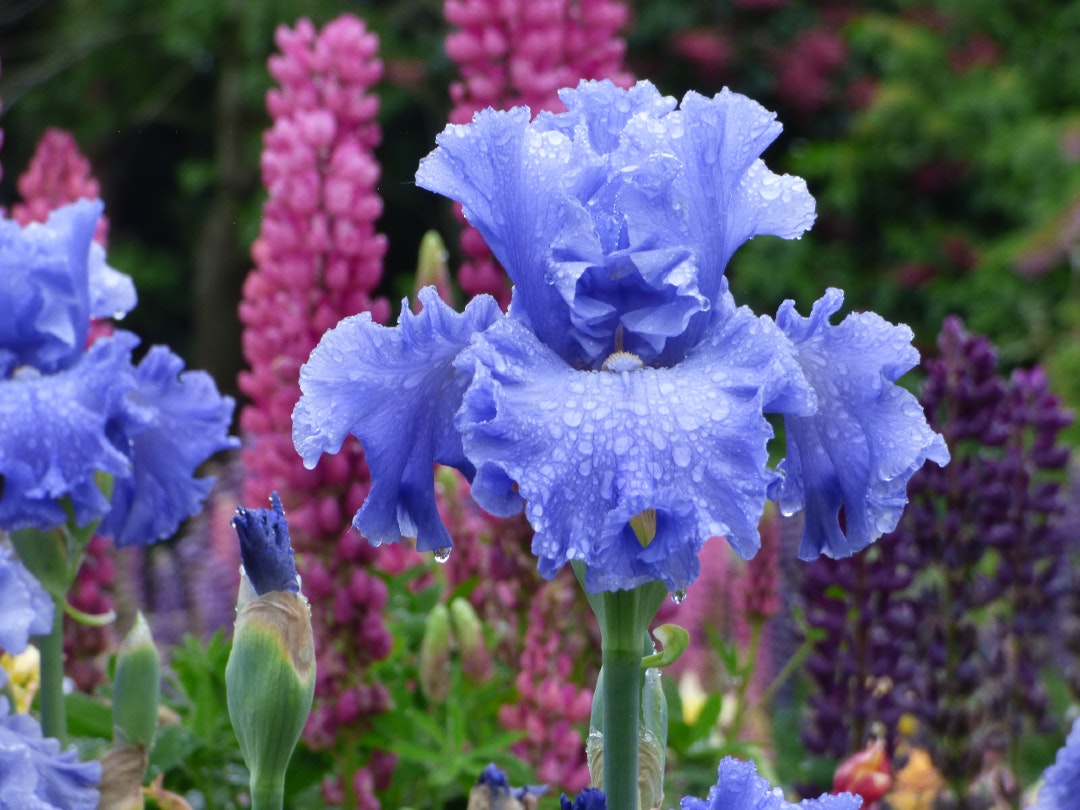
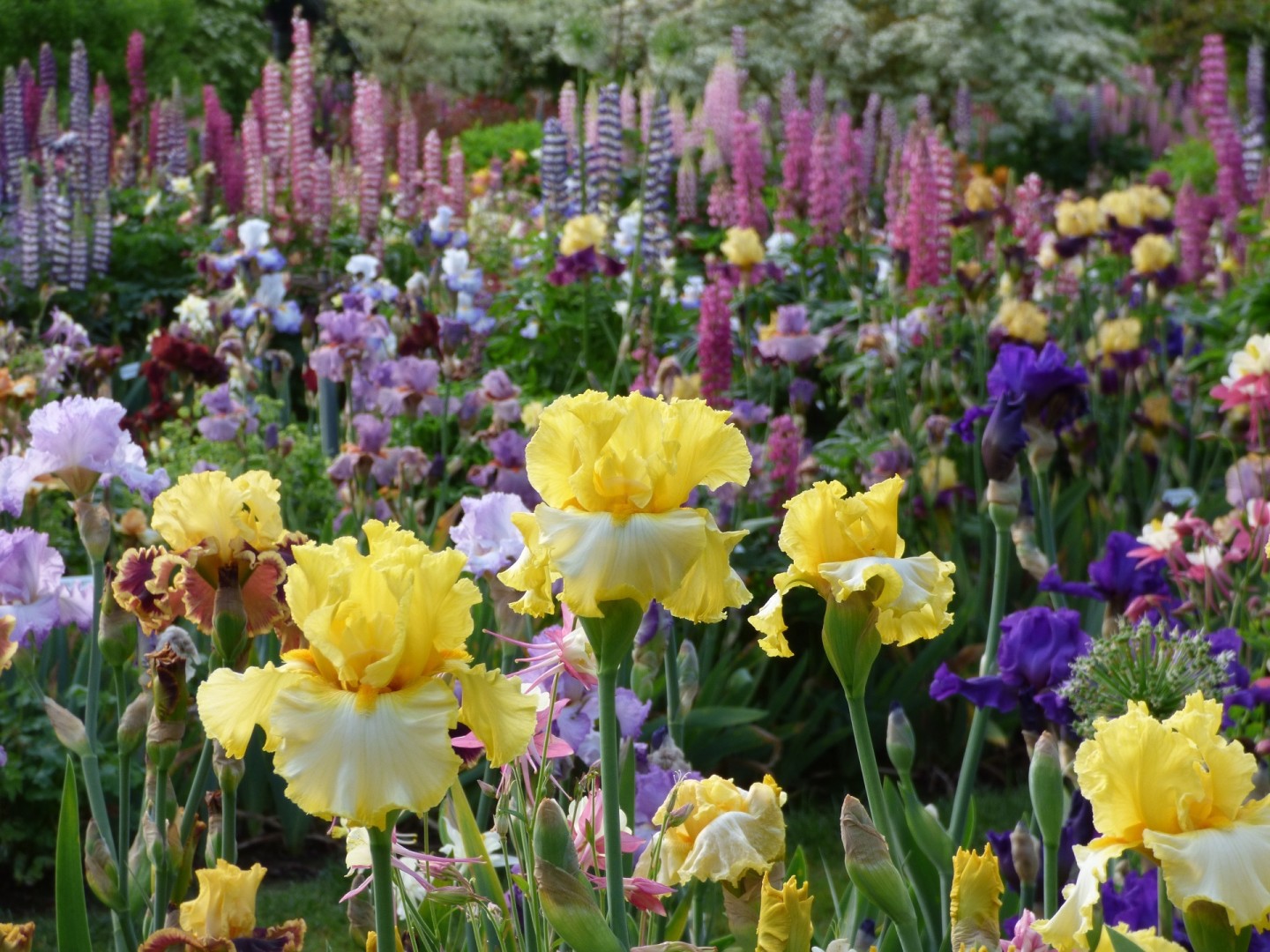
Schreiner's Gardens has been a family-owned and operated small business since its beginning in 1925. The iris display gardens, gift shop, and iris fields are open to visitors during the iris bloom season in the month of May. Visit our website for information about visiting us for our bloom season event! When the gardens are not in bloom Schreiner's Gardens focuses on growing and shipping high-quality plants to gardens around the world.
Amenities
- Accessible
- Pet Friendly
Related Blogs
Lemon-yellow peonies, fragrant fawn lilies and native trillium — oh, my! April is National Garden Month and the Salem region is home to almost 20 public display and botanical gardens bursting with a dizzying array of flowers in all colors, shapes and scents. Some gardens even offer wine tastings, kid’s events and hot-air balloon rides. If you’re visiting later in summer — or in fall and winter — you can still catch plenty of perennial Pacific Northwest blooms. Here’s a roundup of local gardens that will inspire your senses, in order of their blooms’ appearances.
If you’re the type of person who stops to smell the roses—and admire the red tulips and yellow peonies—you’re in luck. April is National Garden Month and the Salem region is home to almost 20 public display gardens bursting with blooms in all colors, sizes, and scents. Here’s a roundup of Salem-area gardens you don’t want to miss this spring and summer.
If you find it impossible to walk by a blooming pink peony, purple iris or yellow rose without stopping to give it some love, you’re in the right place. April is National Garden Month and the Salem region is home to 17 spectacular display gardens where you can spend the entire afternoon wandering through fragrant and colorful blooms, gleaning inspiration for your own garden.